THE LINUX FOUNDATION PROJECTS
Category

Safety-Critical Software Summit

open source summit - Europe - 2025

Key Takeaways from the Safety Critical Track at Open Source Summit Europe 2025 – 1

By Blog, Critical Software Summit, Industry Conference, Linux Foundation, Safety-Critical Software Summit

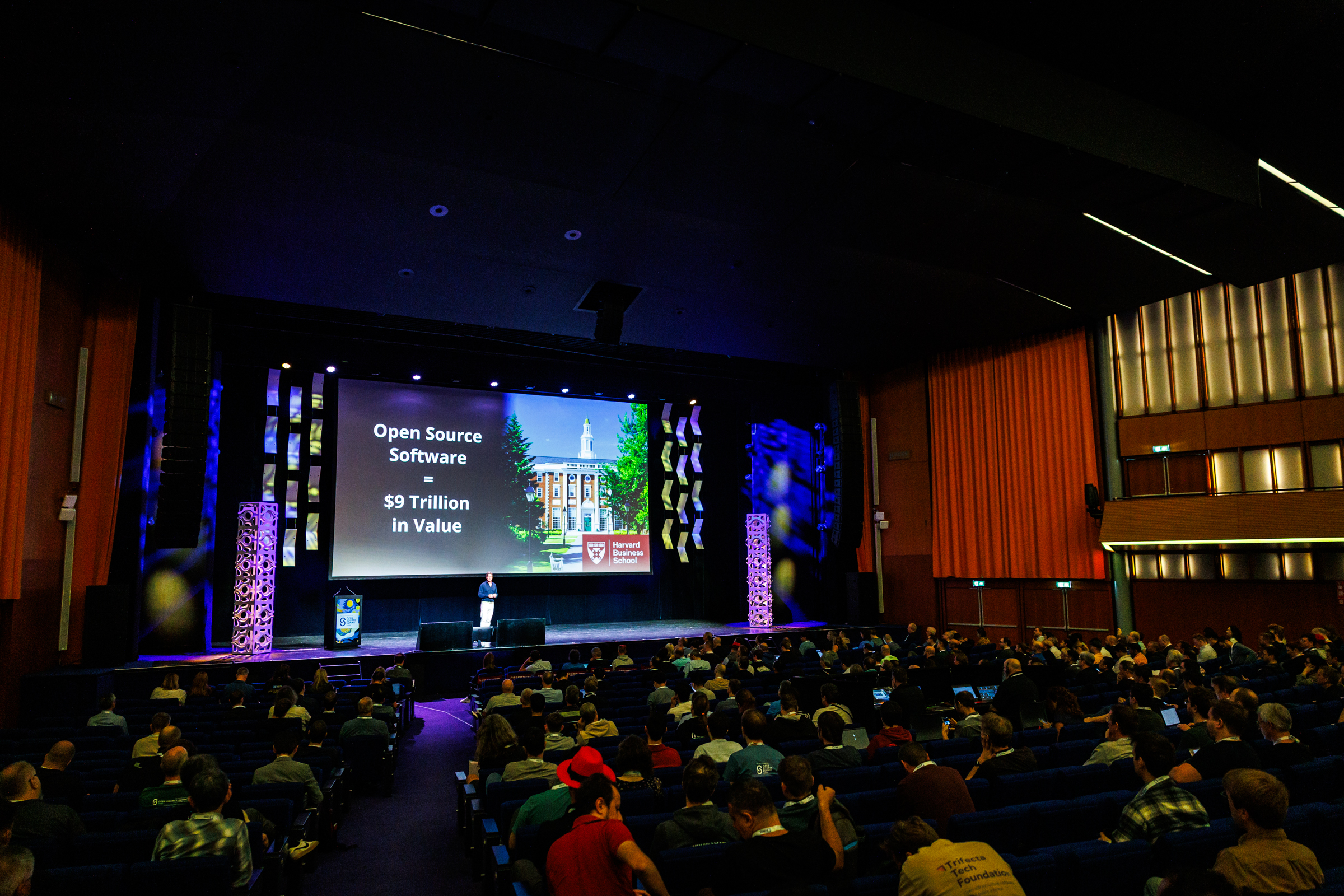
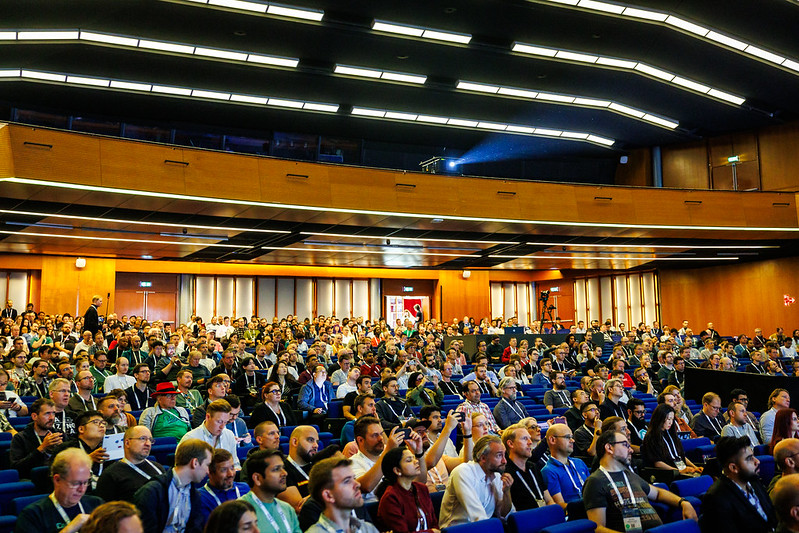
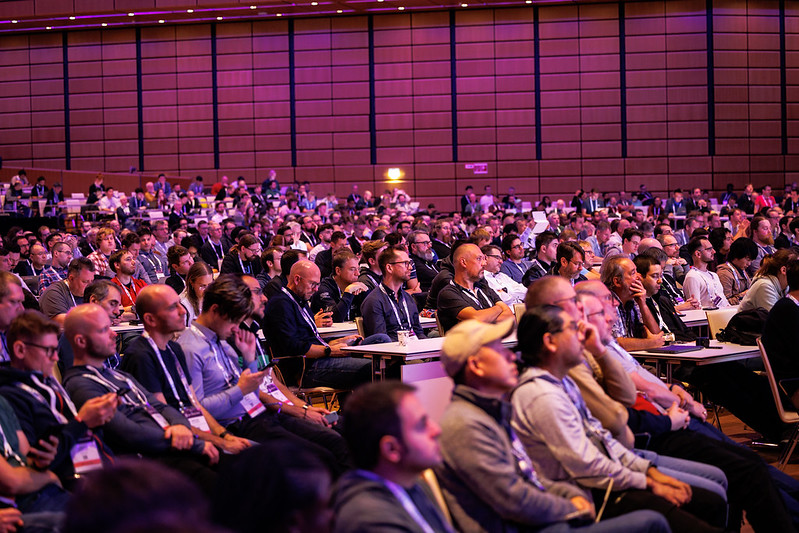
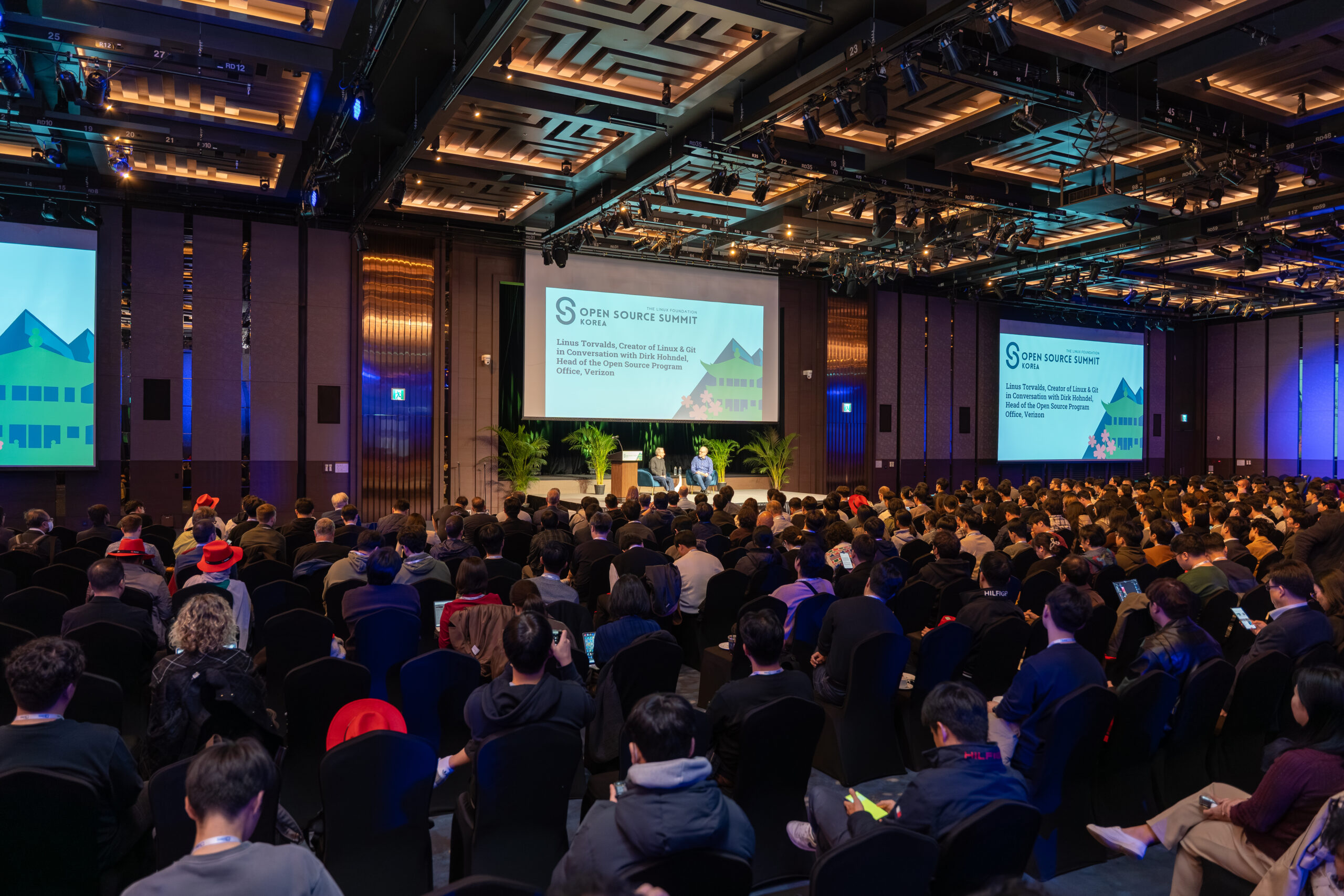
The ELISA Project participated in Open Source Summit Europe 2025 (August 25–27, Amsterdam), the premier gathering for open source developers, technologists, and community leaders. With over 2,000 attendees representing 900+ organizations, the event showcased the strength, diversity, and innovation of the ecosystem.

For ELISA (Enabling Linux in Safety Applications), the summit was an invaluable opportunity to engage with developers, architects, and functional safety experts working at the intersection of Linux and safety-critical systems. ELISA was featured prominently in the Safety-Critical Software Summit, where sessions explored topics such as kernel safety, automotive innovation, and compliance and trust in regulated environments.

Sessions covered a wide range of important topics, including kernel safety (identifying weaknesses, fault propagation, and Linux as a safety element out of context), automotive innovation (safe platforms, prototyping frameworks, and software-defined vehicles), and compliance and trust (continuous compliance, traceability, and statistical methods in safety analysis). These talks reflected the growing maturity of the ecosystem and highlighted the shared challenges the community is tackling from technical methodologies to regulatory alignment.

This week we highlight two talks from the Safety Critical Summit session:

Looking at Linux as a SEooC – Kate Stewart, The Linux Foundation; Nicole Pappler, AlektoMetis & Chuck Wolber, The Boeing Company

Linux is increasingly deployed in safety-critical systems as a Safety Element out of Context (SEooC), yet its scale and rapid evolution, thousands of contributors and near-continuous upstream change pose unique assurance challenges. This talk explains what SEooC means in practice, why it should be understood as a “safety element with assumed context,” and the implications for integrators: a SEooC is not plug-and-play. System developers remain responsible for confirming compatibility, reviewing the safety manual and assumptions of use, ensuring traceability to their own requirements, configuring the element correctly, and validating it within their specific hazard and timing constraints. We frame the work through design assurance hazard identification, design mitigation via requirements-based engineering, and implementation assurance highlighting current gaps between kernel behavior and requirements-derived tests. 

The session outlines community efforts to close those gaps: defining low-level Linux kernel requirements with maintainer sign-off; advancing coverage (statement, decision, MC/DC) using LLVM-based kernel coverage and object-code mapping; and packaging evidence with an SPDX functional-safety profile. Speakers also address non-determinism (focusing on deterministic outcomes, minimal configurations) and introduce knaf for call-tree analysis from specific entry points. 

Overall, these efforts show how scaling requirements, testing, and coverage within open collaboration can yield reusable evidence, strengthen kernel reliability, and align with a substantial portion of DO-178C DAL A objectives across industries.

Identifying Safety Weaknesses and Fault Propagation in the Linux Kernel – Igor Stoppa, NVIDIA

With growing interest in using Linux in safety-critical domains such as automotive, traditional functional safety practices need to be applied to an open source environment. One such practice is fault injection, where failures are deliberately introduced to study how the system reacts.

This talk by Igor Stoppa, NVIDIA, introduced a tool and methodology for injecting controlled faults into Linux kernel data structures. The goal is to uncover subtle forms of degradation that may not trigger a crash but can compromise safety goals, such as delayed system responses. By running repeatable experiments, the approach makes it possible to check whether safety mechanisms detect and report problems consistently and within required timing constraints.

The work highlights both the challenges of applying safety analysis to a large, fast-moving project like the Linux kernel and the opportunities to integrate such testing into the regular release process. Over time, this could provide valuable data on fault propagation, improve kernel reliability, and strengthen Linux’s role in safety-critical applications.

What’s Next?

The Safety-Critical Software track at Open Source Summit Europe 2025 highlighted the important progress being made toward making Linux a reliable choice in regulated and safety-sensitive domains. From exploring Linux as a Safety Element out of Context to fault injection techniques that expose hidden weaknesses, these discussions show how the community is tackling complex challenges with rigor and collaboration. 

To learn more, be sure to check our upcoming blogs where we will cover more sessions from the track. If you are interested in shaping this work, we invite you to join ELISA working groups and contribute to advancing safety practices in open source together.
Recap Blog: ELISA Project at Open Source Summit Europe 2025

By Blog, Critical Software Summit, Industry Conference, Safety-Critical Software Summit

The ELISA Project was proud to participate in Open Source Summit Europe 2025, held August 25-27 in Amsterdam, Netherlands. As the premier gathering for open source developers, technologists, and community leaders, this year’s event once again showcased the strength, diversity, and innovation of the open source ecosystem.

For ELISA (Enabling Linux in Safety Applications), it was an incredible opportunity to connect with developers, architects, functional safety experts, and contributors working at the intersection of Linux and safety-critical systems.

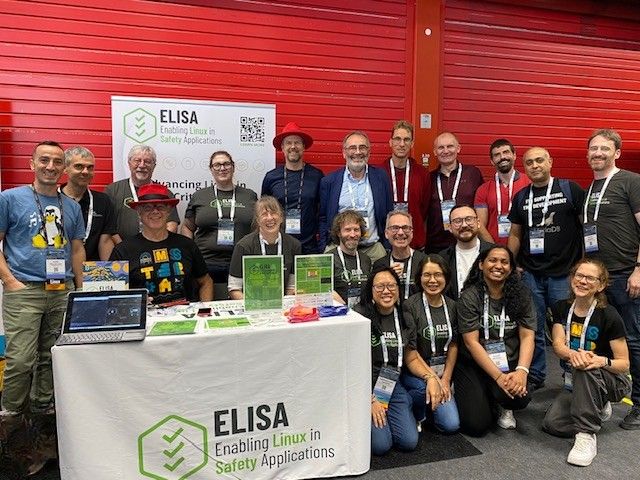
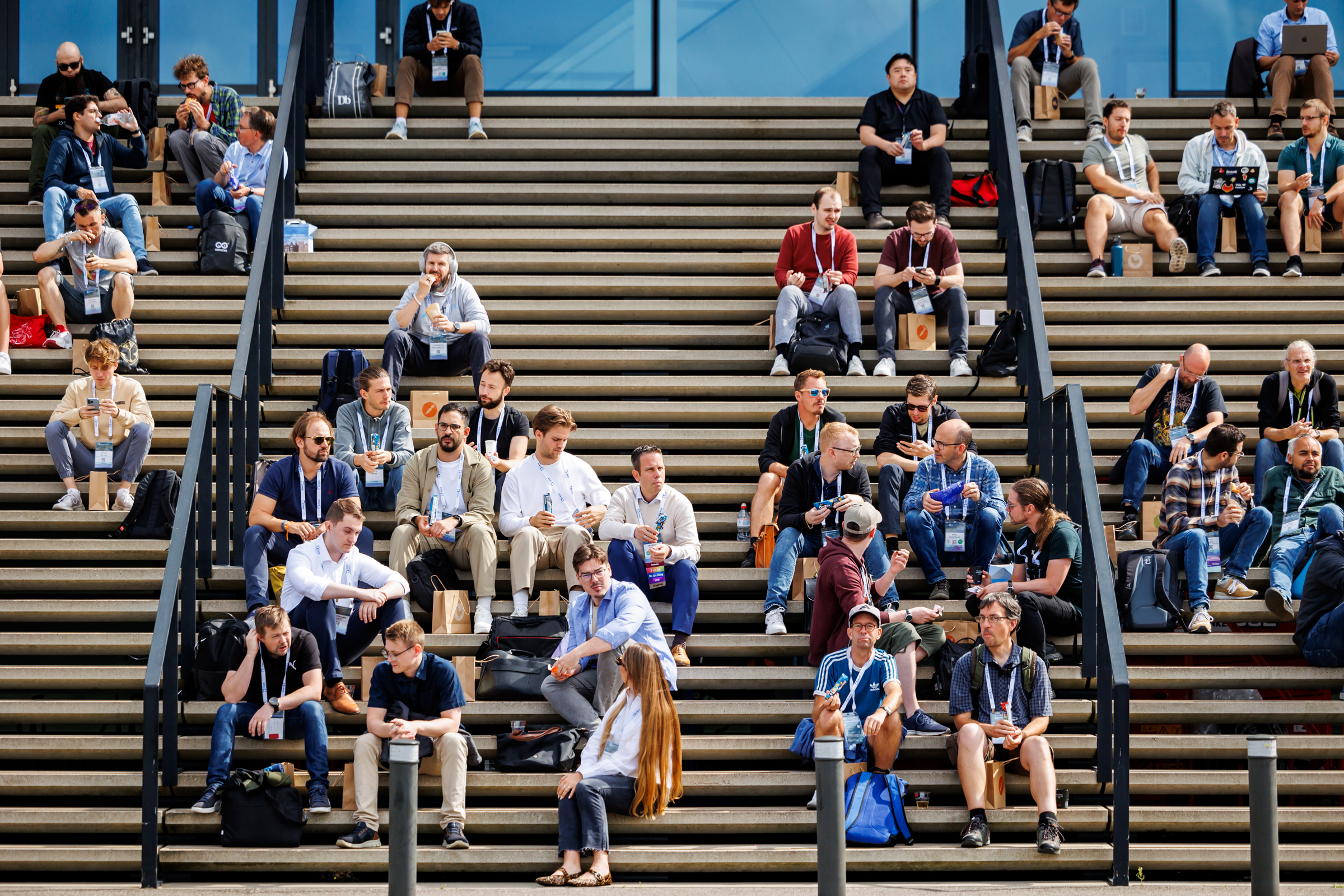
ELISA Project community photo taken at the Open Source Summit Europe 2025

ELISA Booth Highlights

As a Bronze Sponsor, ELISA hosted Booth #29, where attendees learned about safety-critical software and Linux.

Visitors stopped by to:

  • Learn more about ELISA’s mission and latest progress.

  • Explore tools, processes, and working group initiatives.

  • Connect with project members, contributors, and users.

The booth was buzzing throughout the summit, and it was inspiring to see interest from developers across automotive, industrial, medical, and other safety-focused domains.

ELISA in the Safety-Critical Software Summit

ELISA was also featured in the Safety-Critical Software Summit, a focused track within Open Source Summit Europe dedicated to exploring how open source and safety standards intersect. Watch the sessions here.

Sessions covered a wide range of important topics, including:

  • Kernel safety – identifying weaknesses, fault propagation, and ways Linux can evolve as a safety element out of context (SEooC).

  • Automotive innovation – exploring safe software platforms, prototyping frameworks, and open source initiatives for software-defined vehicles.

  • Compliance and trust – practical approaches to continuous compliance, traceability, and the use of statistical methods in safety analysis.

These talks reflected the growing maturity of the ecosystem and highlighted the shared challenges the community is tackling from technical methodologies to regulatory alignment.

Key Takeaways

  • There is strong and growing interest in applying Linux to safety-critical domains, from automotive to medical and industrial applications.
  • Progress in tools, methodologies, and compliance frameworks is enabling broader adoption of open source in regulated environments.
  • Collaboration between industry, academia, and the open source community is essential to tackling safety challenges at scale.
  • The ELISA community continues to expand, fueled by conversations and new contributors who engaged with us in Amsterdam.

Join the ELISA Community

We want to thank everyone who visited us at Booth #29, attended our sessions, and engaged with the ELISA Project at Open Source Summit Europe 2025.

Your questions, feedback, and contributions help shape the future of open source in Linux in safety-critical applications.

If you didn’t get a chance to connect in Amsterdam, it’s not too late!

👋 Thank You, Amsterdam!

From booth conversations to technical discussions, ELISA’s presence at Open Source Summit Europe 2025 was a success thanks to the open source community. We look forward to building on this momentum and continuing the conversation about safety-critical open source systems.

Until next time – see you at the next event!

Documenting the Design of the Linux Kernel - Chuck Wolber, The Boeing Company; Kate Stewart, The Linux Foundaiton; Gabriele Paoloni, Red Hat

Talk Highlights: Documenting the Design of the Linux Kernel – Chuck Wolber, The Boeing Company; Kate Stewart, The Linux Foundation; Gabriele Paoloni, Red Hat

By Ambassadors, Blog, Critical Software Summit, Industry Conference, Safety-Critical Software Summit

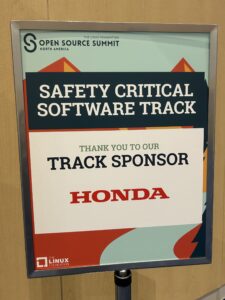
Open Source Summit North America, which happened on June 23-25 in  Denver, Colorado, had a total of 1,535 in-person attendees (47% hold technical positions) that represented 732 organizations. This year’s event featured vibrant conversations in the Safety-Critical Software tracksponsored by ELISA Project member Honda.

Safety-critical systems — whether in automotive, industrial, medical, or aerospace — are increasingly adopting open source technologies. The sessions in this dedicated track tackled real-world challenges and shared solutions around functional safety, tool qualification, compliance, and certifiability of open source software.

Highlights included:

  • Panel discussions on bridging the gap between open source innovation and safety assurance

  • Technical deep dives into applying safety analysis methods to Linux-based systems

  • Case studies from the ELISA Project working groups showcasing progress in automotive, medical, and industrial domains

This week we are highlighting the talk “Documenting the Design of the Linux Kernel – Chuck Wolber, The Boeing Company; Kate Stewart, The Linux Foundaiton; Gabriele Paoloni, Red Hat” from the Open Source Summit, North America 2025.

Documenting the Design of the Linux Kernel – Chuck Wolber, The Boeing Company; Kate Stewart, The Linux Foundaiton; Gabriele Paoloni, Red Hat

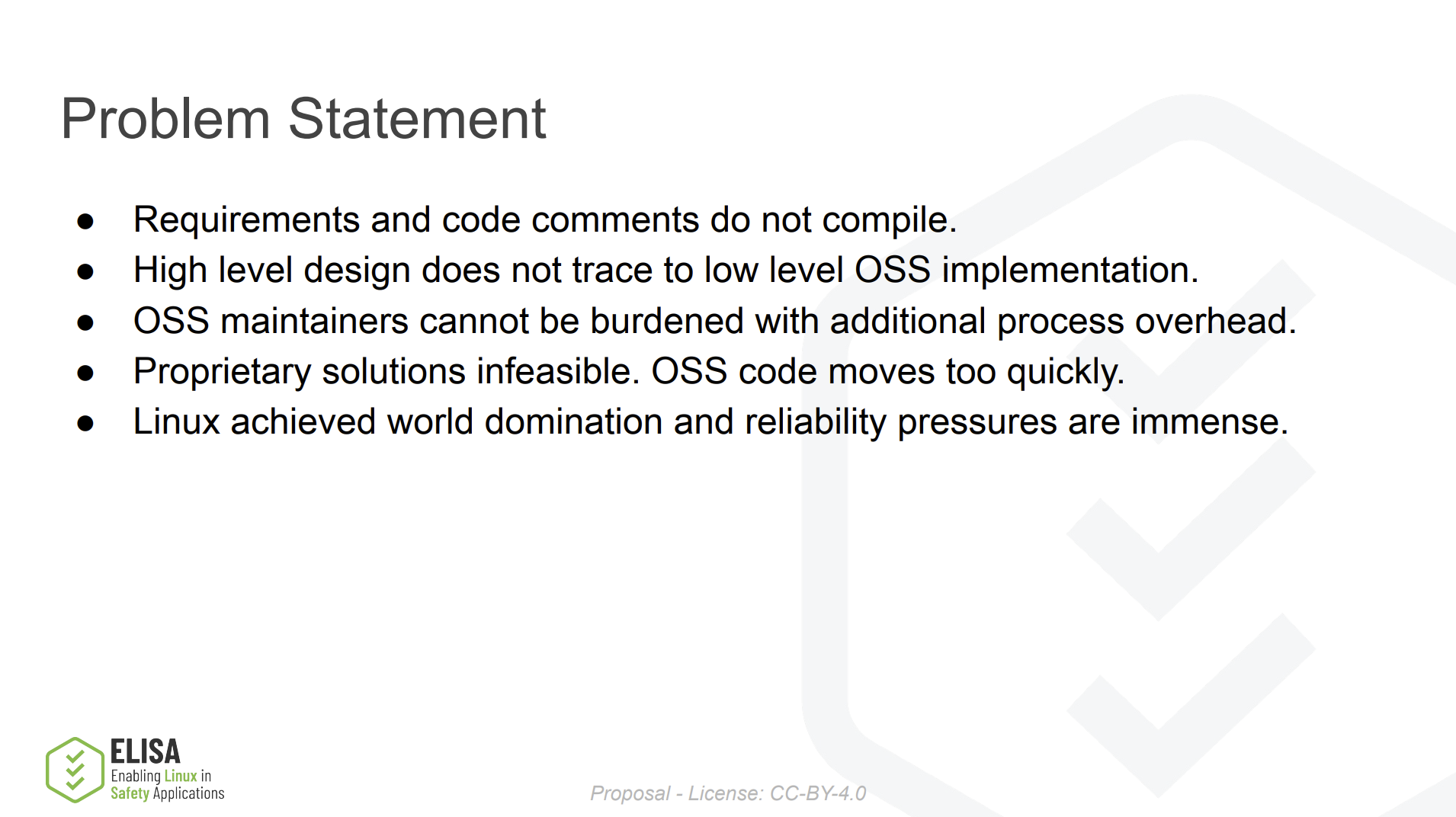
As Linux adoption grows in safety-critical industries like aerospace and automotive, structured design documentation and traceability become increasingly important. This talk presented the ELISA Project’s efforts to reverse-engineer and document low-level developer intent within the Linux kernel using a new, machine-readable requirements template.

Building on earlier discussions at Linux Plumbers 2024 and the December ELISA Workshop at NASA Goddard, the session outlined a proposed framework for capturing “testable expectations” in line with kernel development norms. The goal is to support pass/fail test development, improve test precision using code coverage, and eventually link low-level requirements to higher-level system design.

The speakers showcased early examples from the kernel’s tracing subsystem, discussed the balance between testability and maintainability, and explained how the effort helps address kernel technical debt and reduce certification barriers. The proposal also seeks to avoid burdening maintainers by decoupling documentation from core development.

Key topics included:

  • A breakdown of the proposed requirement template structure and fields
  • Examples of real-world kernel functions instrumented with low-level requirements
  • Integration plans with KernelCI for test coverage and traceability
  • Challenges encountered, such as avoiding pseudo-code duplication and handling evolving code
  • Community feedback from upstream maintainers and next steps toward broader adoption

To learn more and get involved in the Safety Architecture Working Group, check here.

What’s Next?

We’re excited to continue the conversations sparked at OSSummit through our public working groups, monthly meetings and upcoming events. Join the ELISA Project at Open Source Summit Europe, happening on August 25-27 in Amsterdam, at the Safety-Critical Software Summit. Check out the schedule or visit the ELISA Project ambassadors and leaders at the booth #29. Learn more here.

Learn more about the conference or register for it at the main Open Source Summit Europe page.

For more ELISA Project updates, subscribe to the LinkedIn pageYoutube Channel or join the community on our new Discord channel!

Watch Now: Safety-Critical Software Summit Videos @ OSSummit NA

By Blog, Safety-Critical Software Summit

Open Source Summit North America, which happened on June 23-25 in  Denver, Colorado, had a total of 1,535 in-person attendees (47% hold technical positions) that represented 732 organizations. This year’s event featured vibrant conversations in the Safety-Critical Software track, sponsored by ELISA Project member Honda.

Safety-critical systems — whether in automotive, industrial, medical, or aerospace — are increasingly adopting open source technologies. The sessions in this dedicated track tackled real-world challenges and shared solutions around functional safety, tool qualification, compliance, and certifiability of open source software.

Highlights included:

  • Panel discussions on bridging the gap between open source innovation and safety assurance

  • Technical deep dives into applying safety analysis methods to Linux-based systems

  • Case studies from the ELISA Project working groups showcasing progress in automotive, medical, and industrial domains

The videos can be found on the Open Source Summit North America playlist on the ELISA Project YouTube channel.

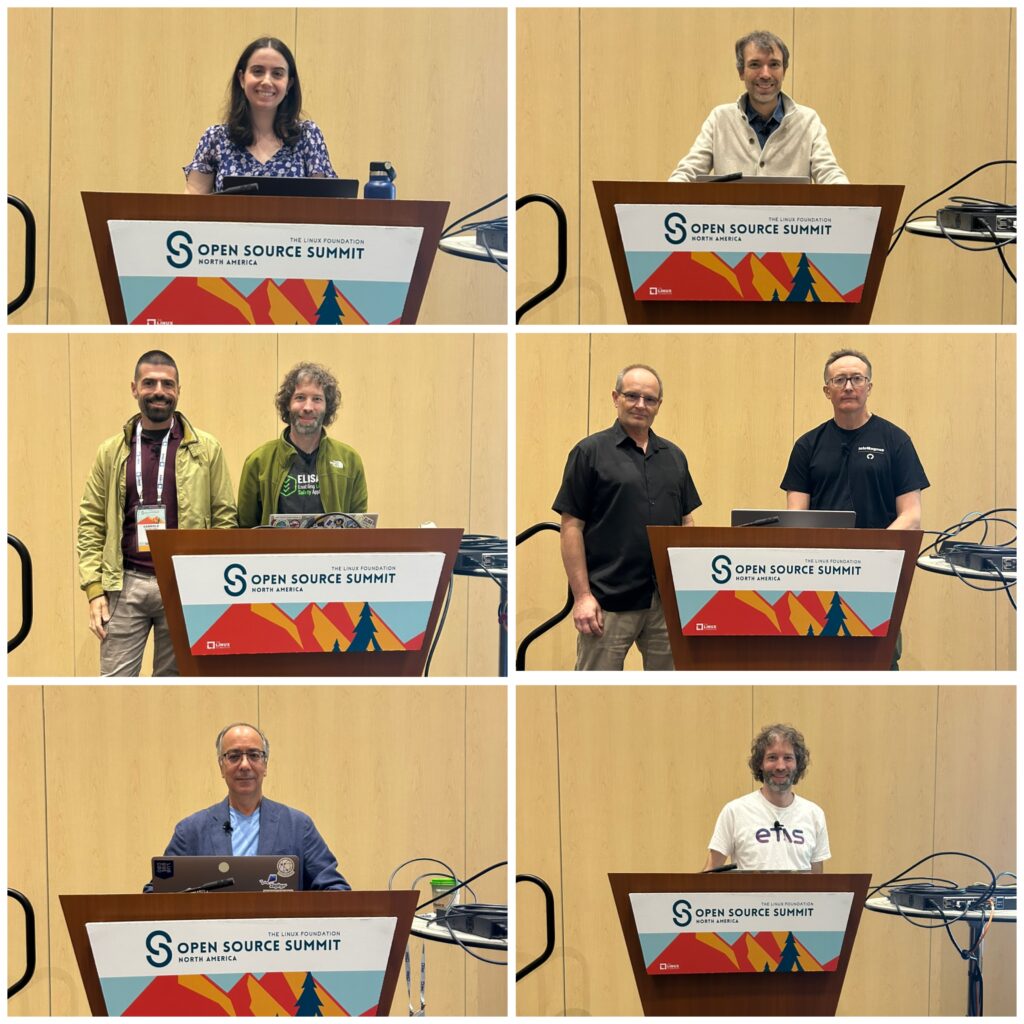
Many thanks to all the ELISA Project contributors and collaborators who presented, facilitated hallway conversations, and helped guide newcomers through the complexities of using Linux in safety-critical environments including: Stefano Stabellini (AMD), Carolyn Zech (Amazon Web Services (AWS)), Philipp Ahmann (ETAS), Gabriele Paolini (Red Hat), Rinat Shagisultanov and Troy Sabin (InfoMagnus), Hasan Yasar (Software Engineering Institute | Carnegie Mellon University), Chuck Wolber (The Boeing Company), Kate Stewart (The Linux Foundation), Masato Endo (Toyota Motor Corporation) and Wolfgang Gehring, (Mercedes Benz Tech Innovation).

Community Momentum

The Safety-Critical Software track continues to grow — a reflection of the increasing demand for transparent, collaborative development in safety-focused industries. With representatives from leading companies, standards bodies, and the open source community, the track served as a bridge between traditionally siloed sectors.

This momentum builds on ELISA’s mission: to make it easier for developers and companies to build and certify Linux-based safety applications by providing guidance, tools, and domain-specific working groups.

What’s Next?

We’re excited to continue the conversations sparked at OSSummit through our public working groups, monthly meetings and upcoming events. Join the ELISA Project at Open Source Summit Europe, happening on August 25-27 in Amsterdam, at the Safety-Critical Software Summit. Check out the schedule or visit the ELISA Project ambassadors and leaders at the booth #29. Learn more here.

Learn more about the conference or register for it at the main Open Source Summit Europe page.

For more ELISA Project updates, subscribe to the LinkedIn page, Youtube Channel or join the community on our new Discord channel!

ELISA project at the Open source summit, Europe 2025

ELISA Project at Open Source Summit Europe 2025

By Blog, Industry Conference, Safety-Critical Software Summit

Open Source Summit is the premier event for open source developers, technologists, and community leaders to collaborate, share information, solve problems, and gain knowledge, furthering open source innovation and ensuring a sustainable open source ecosystem. It is the gathering place for open-source code and community contributors.

Why Attend

  • Connect with the people shaping open source
  • Learn from maintainers, architects, and industry leaders
  • Discover new technologies and real-world solutions
  • Collaborate on ideas that move projects forward
  • Grow your skills, your network, and your career

ELISA Project at OSS Europe

We are excited to announce that the ELISA (Enabling Linux in Safety Applications) Project will be participating in the upcoming Open Source Summit Europe, taking place August 25-27, 2025 in Amsterdam, Netherlands.

As a proud Bronze Sponsor of this year’s event, ELISA will also be part of the Safety-Critical Software Summit, one of the focused tracks within Open Source Summit Europe

This is a key opportunity to connect with developers, system architects, functional safety experts, and open source contributors working at the intersection of Linux and safety-critical systems.

What to Expect from ELISA Project at Open Source Summit Europe?

Yes, we have a booth and we would love to see you there!
Stop by Booth #29 to:

  • Learn more about ELISA’s mission and progress
  • See how Linux can support safety-critical systems across industries
  • Explore tools, processes, and working group initiatives
  • Check out live demos
  • Meet with project members, contributors and users
  • Pick up your favourite ELISA branded giveaways

And if you have been following ELISA for a while, you may have noticed we have refreshed our logo!
Come by the booth to grab special edition stickers and updated designs featuring the new logo. Quantities are limited, so be sure to stop by early!

Whether you are in automotive, industrial, medical, or another safety-focused domain, this is a great opportunity to ask questions and see how ELISA might support your work.

ELISA Talks and Sessions

The ELISA Project will also be featured in the Safety Critical Software track sessions. You can find the full schedule information here.

This track explores the intersection of open source and safety standards, covering best practices for regulatory compliance, security updates, and safety engineering. Sessions will delve into requirements traceability, quality assessments, safety analysis methodologies, and technical development for safety-critical systems.

Join the ELISA Community

If you are interested in functional safety or contributing to the project, we would love to have you involved. Learn more.

👋 See You in Amsterdam

The ELISA Project is proud to be part of Open Source Summit Europe 2025 and the growing conversation around safety-critical open source systems. From booth activities to in-depth technical talks, this is a great opportunity to learn, connect, and collaborate.

Don’t forget to stop by Booth #29, attend our talks at the Safety-Critical Software Summit, and meet the people behind the project.

We look forward to seeing you in Amsterdam!

Schedule for Safety-Critical Software 2025 Now Live

By Announcement, Blog, Safety-Critical Software Summit

Open Source Summit North America, happening on June 23-25 in Denver, Colorado, is the premier event for open source developers, technologists, and community leaders to collaborate, share information, solve problems, and gain knowledge, furthering open source innovation and ensuring a sustainable open source ecosystem. It is the gathering place for open-source code and community contributors. One of the tracks includes, Safety-Critical Software, which will feature several ELISA-project related sessions.

The Safety-Critical Software track will take place on Wednesday, June 25. It explores the intersection of open source and safety standards, covering best practices for regulatory compliance, security updates, and safety engineering. Check out the sessions below, which dive into requirements traceability, quality assessments, safety analysis methodologies, and technical development for safety-critical systems.

11 – 11:40 am: The Xen Safety Concept, a Major Milestone Toward Certification – Stefano Stabellini, AMD

Over the past decade, the Xen community has worked tirelessly to develop key features that now form a top-tier automotive solution. Xen’s most important role remains that of an enforcer, ensuring strict isolation between domains so that the execution of one domain remains unaffected by others. As one of the system’s most critical components, Xen is well suited for the highest levels of safety certification.

Since 2023, AMD, in collaboration with the Xen community, has been working to make Xen safety-certifiable according to the ISO 26262 and IEC 61508 safety standards. A major milestone was achieved in Q4 2024 when we obtained Safety Concept Approval from the safety assessors. They reviewed Xen and our safety plans and confirmed compliance with the relevant standards. This is a critical milestone on the road to Xen safety, demonstrating that Xen can be safety-certified.

This presentation will provide detailed insights into the Safety Concept, the activities involved in its development, and the review process. Additionally, it will offer an in-depth update on our journey toward achieving Xen safety certification.

11:55-12:30 pm:  Verifying the Rust Standard Library – Rahul Kumar, Amazon Web Services

The Rust programming language is experiencing rapid adoption in critical infrastructure and systems programming, propelled by its memory safety guarantees and developer productivity advantages. Significant technology policies, such as the US National Cyber Strategy, explicitly endorse Rust as a pathway to memory-safe software. Unsafe code blocks, however, can circumvent Rust’s compile-time guarantees. To address this disparity, AWS has collaborated with the Rust Foundation on the Rust Standard Library Verification project, whose objective is to formally verify the safety of the Rust standard library. We are actively integrating automated verification into the Rust Library release process, thereby ensuring continuous safety validation across releases.

Our presentation will elucidate the structural framework and rationale underpinning our verification contest. We will demonstrate our current progress, showcasing successful verification examples and discussing the diverse open-source tools employed in the verification process. We will conclude with our prioritized areas for 2025 and practical ways for the Rust community to actively participate in this pivotal security initiative.

2:10 – 2:50 pm: Building a Safe and Open Vehicle Core With Open Source – Philipp Ahmann, Etas GmbH (BOSCH)
Recently the Safe Open Vehicle Core (S-Core) project was started as a collaborative code-first project between automotive OEMs and Tier suppliers developing a safety-certifiable middleware stack for high-performance ECUs in software-defined vehicles. Targeting the non-differentiating core functionality, S-Core middleware software sits between the hardware abstraction layer and the platform API accessed by vehicle function applications. Compatible with POSIX-based OSes like Automotive Grade Linux and complementary to the ELISA project, S-Core focuses on achieving ISO 26262, ASPICE, and ISO 21434 compliance.

This presentation details S-Core’s development process, scope, status, and timeline, highlighting its integration within the broader automotive safety and SDV landscape. The author further showcases the project’s work towards robust and automated development through a docs-as-code approach utilizing open-source tools such as ReStructuredText, Sphinx-Needs, Bazel, and PlantUML


3:05 – 3:45 pm: Software Supply Chain for the SDV Future — Logistics, Cybersecurity and Compliance – Hasan Yasar, Software Engineering Institute | Carnegie Mellon University

The shift towards software-defined vehicles (SDVs) is set to profoundly impact Original Equipment Manufacturers (OEMs) and their supply chains. As vehicles become increasingly defined by software and connectivity, OEMs face a new era of software supply chain logistics that emphasizes agility, cybersecurity, and regulatory compliance. This presentation examines how SDV technology affects each stage of the OEM supply chain, from sourcing and logistics to manufacturing and data-driven optimization. Critical to this transformation is the secure management of software and data flows across the supply chain, with a focus on cybersecurity strategies to counter software-based vulnerabilities. Additionally, the presentation explores how data analytics can be leveraged to streamline logistics and ensure compliance with rapidly evolving regulations.
4:20 – 5 pm: Continuous Compliance in Open Source: Safety Assurance Through SBOM-Driven Traceability in ELISA – Rinat Shagisultanov & Troy Sabin, InfoMagnus, LLC
As open-source adoption expands into safety-critical domains, ensuring continuous compliance is a growing challenge. This session, grounded in the ELISA (Enabling Linux in Safety Applications) project, explores how SBOM-driven traceability can bridge the gap between open-source development and regulatory safety requirements. We’ll cover how SPDX 3.x, automated CI/CD workflows, and tools like ELISA’s BASIL enable traceability between compliance requirements, validation tests, and software components. Attendees will gain insights into best practices for managing SBOM evolution, mitigating risks in change impact analysis, and integrating compliance automation into modern DevOps pipelines. Whether you’re in open-source governance or safety-critical software engineering, this session provides actionable strategies to align compliance with innovation.

Other ELISA-related sessions include:


Monday, June 23 at 3:35-4:15: Documenting the Design of the Linux Kernel – Chuck Wolber, The Boeing Company; Kate Stewart, The Linux Foundaiton; Gabriele Paoloni, Red Hat

As part of a broader effort to document the architecture and design of the Linux Kernel, we propose a method to formally describe low level developer intent in the form of testable expectations (i.e. requirements). This will provide a fact based foundation for pass/fail test development, test validation via code coverage tools, support optional traceability to higher level design, and enable tool development for process automation.

This talk is a continuation of the proposal for Linux Kernel Requirements that formally originated at the 2024 Linux Plumbers Safe Systems with Linux Mini-conference, and further updated at the December 2024 ELISA Workshop at Goddard Space Center.

This edition will present the current state of the requirement template design, provide examples of Linux kernel source code instrumented with low level requirements, present technical explanations for template design decisions, and provide an opportunity for feedback from the developer community.


Monday, June 23 at 2:25 – 3:05 pm: Panel Discussion: Driving Automotive Transformation With Open Source – Philipp Ahmann, Etas GmbH (BOSCH); Kate Stewart, The Linux Foundation; Masato Endo, Toyota Motor Corporation; Wolfgang Gehring, Mercedes Benz Tech Innovation

Open source software has long been utilized in automotive systems, yet the industry is experiencing a renewed focus on its strategic utilization also sparked by the so called Software Defined Vehicle. The establishment of OSPOs across numerous OEMs and Tier suppliers further signals this shift.

This panel digs into the motivations and implications of this trend. The panelist will explore the historical context of OSS in automotive, contrasting it with the current OSPO-driven approach. Key discussion points include the rationale for OSPO creation, the specific challenges they tackle – particularly in light of global sanctions, increasing connectivity demands, and the imperative for cyber resilience – and the anticipated impact on the automotive software landscape with regulated safety-critical Software Defined Vehicle systems.

Wednesday, June 25 at 11:55 am – 12:35 pm: Developing a Community-Driven Standard for Open Source Software Quality – Philipp Ahmann, Etas GmbH (BOSCH) & Gabriele Paoloni, Red Hat

Established quality standards, designed for traditional V-Model ( requirements driven) development, are inadequate for evaluating and supporting code-driven, CI/CD-based nature of modern (open source) software. This hinders OSS adoption in regulated industries, particularly for safety-critical systems. This session introduces a novel standard proposal specifically designed to assess OSS process capabilities by documenting open source best practices and providing a practical assessment guide. It aims to bridge the gap between OSS development practices and the needs of regulated industries, fostering greater trust and enabling wider adoption.

This session outlines the three phases from research to execution for establishing the standard, drawing on relevant academic research and showcasing exemplary open source projects with established best practices. The authors will also explore existing scoring initiatives and some quality metrics. The session concludes with a roadmap for collaborative development of the standard and a call to action for community participation.

Learn more about the conference on the main event site here or register by April 7 for the early bird discount here.

Honda and KernelCI join the Enabling Linux in Safety Applications (ELISA) Project to Strengthen the Kernel and Drive Innovation in Functional Safety in Automotives

By Announcement, News, Safety-Critical Software Summit

SAN FRANCISCO, March 17, 2025 – Today, the ELISA (Enabling Linux in Safety Applications) Project welcomes Honda and KernelCI to its ecosystem. This collaboration marks a significant milestone, as both organizations commit to advancing its commitment to Linux and its effective use in safety-critical applications. Hosted by the Linux Foundation, ELISA is an open source initiative that aims to create a shared set of elements, processes, and tools to help companies build and certify Linux-based safety-critical applications and systems.

“The automotive industry heavily relies on open source software, and Linux is becoming a foundational pillar for safety-critical applications,” said Philipp Ahmann, Senior Open Source Software Community Manager at ETAS and Chair of the ELISA Project Technical Steering Committee. “By leveraging rigorous testing, automation, and industry collaboration, we can ensure that Linux meets the strong requirements of functional safety standards while driving innovation, reliability, and maintainability in modern vehicles. With Honda’s ‘power of dreams’ and their technical excellence, we have no doubt that they will help the ELISA Project meet many milestones this year.”

Honda is a mobility company powered by everyone’s dreams, creating mobility that helps and inspires people, in a wide range of fields such as motorcycles, automobiles, power products and aircraft. Honda has been actively integrating Linux-based solutions into its automotive technologies, focusing on enhancing in-vehicle infotainment and connectivity.

“Honda has a remarkable position as the world’s largest motorcycle manufacturer and the world’s largest manufacturer of internal combustion engines,” said Shane Coughlan, OpenChain General Manager. “By recently joining the Zephyr Project, OpenChain last year and now the ELISA Project, Honda has underlined its position as a thought leader in open source. We are fortunate to have companies like Honda driving lasting change.”

KernelCI is a community-based open source distributed test automation system focused on building a collaborative ecosystem around upstream kernel development. The primary goal of KernelCI is to use an open testing philosophy to ensure the quality, stability and long-term maintenance of the Linux kernel. The Project is currently working on improved LTS kernel testing and validation; consolidation of existing testing initiatives; quality-of-life improvements to the current service; expanded compute resources; and increased pool of hardware to be tested.

“Collaboration with KernelCI strengthens our commitment to ensuring the reliability and safety of Linux in critical applications,” said Kate Stewart, Vice President of Dependable Embedded Systems. “By working with them to improve code testing coverage, as well as link requirements to tests, we can enhance kernel stability, improve the efficiency of testing changes to the kernel, and drive innovation to enable continuous safety profile compliance across automotive and embedded systems.”

“KernelCI is already collaborating with the linux kernel community to build a service and ecosystem to tackle the challenges of testing,” said Don Zickus, Chair of the KernelCI Advisory Board. “Expanding our efforts to include ELISA’s goals is a natural fit and we are excited to pursue this journey with them.”

Honda joins ELISA Project General Members AISIN, arm, Bosch, Canonical, Codethink, Elektrobit, EMQ, Huawei, Linutronix, Lynx Software Technologies, Nissan Motor Corporation, SAIC Motor and WindRiver. KernelCI joins other associate members Automotive Grade Linux, Institute of Aircraft Systems Engineering and The Regensburg University of Applied Sciences. ELISA Project Premier Members include Boeing and Redhat. Learn more about membership here. 

Safety-Critical Software

Open Source Summit North America, scheduled for June 23-25 in Denver, Colorado, offers a rich array of technical content. This conference is an umbrella event for microconferences like the Safety-Critical Software that drives open source innovation and supports the sustainability of the ecosystem. The schedule will go live in April. Register here for early-bird pricing.

About the Linux Foundation

The Linux Foundation is the world’s leading home for collaboration on open source software, hardware, standards, and data. Linux Foundation projects are critical to the world’s infrastructure including Linux, Kubernetes, Node.js, ONAP, OpenChain, OpenSSF, PyTorch, RISC-V, SPDX, Zephyr, and more. The Linux Foundation focuses on leveraging best practices and addressing the needs of contributors, users, and solution providers to create sustainable models for open collaboration. For more information, please visit us at linuxfoundation.org. The Linux Foundation has registered trademarks and uses trademarks.

For a list of trademarks of The Linux Foundation, please see its trademark usage page: www.linuxfoundation.org/trademark-usage. Linux is a registered trademark of Linus Torvalds.

Open Source Summit Europe 2024 Recap

By Blog, Safety-Critical Software Summit

Last month, the ELISA Project members had the exciting opportunity to attend and speak at both the Open Source Summit Europe and the Linux Plumbers Convention. During these events, we engaged with fellow speakers by asking a series of thought-provoking questions to uncover their insights and experiences within the open source community. Here’s what we found out: from the challenges they faced in their projects to the unique ways they foster collaboration and innovation, the responses painted a vibrant picture of the passion and dedication driving our community forward.

ELISA Project member Alessandro Carminati from Red Hat presented his session, “Addressing Duplicated Symbol Names in kallsyms: Introducing kas_alias for Symbol Differentiation,” at the Linux Plumbers Convention for the first time and also attended the Open Source Summit Europe. He shared, “Both conferences were memorable to me as they were my first experiences at such events.” These events provided valuable opportunities for individuals in the open source community to connect and engage with one another. Alessandro noted, “The networking at Plumbers was extraordinary. Suddenly, all the names I had been seeing on mailing lists became real people. While this might be expected for most, it really amazed me.”

To learn more about Alessandro Carminati and the ELISA Project, we invite you to explore our ongoing initiatives and community engagements. The insights gained from the Open Source Summit Europe and the Linux Plumbers Convention will undoubtedly shape our future collaborations and projects. As we continue to foster connections and share knowledge within the open source community, we remain committed to empowering individuals and driving innovation together. Stay tuned for more updates and opportunities to engage with us as we build a stronger, more inclusive ecosystem for everyone involved.

Incase you missed other ELISA Project sessions from OSS Europe, you can watch all of the session here:

Stay tuned by subscribing to the ELISA Project newsletter or connect with us on Twitter, LinkedIn or mailing lists to talk with community and TSC members.

Measuring Code Coverage of the Linux Kernel in Accordance with RTCA DO-178C Considerations

By Blog, Safety-Critical Software Summit

The Embedded Open Source Summit (EOSS) serves as a pivotal event for the open source embedded projects and developer communities. This umbrella event brings together various micro conferences, including the Embedded Linux Conference, Zephyr Developer Summit, and Safety-Critical Software Summit, offering a comprehensive platform for collaboration, discussions, and education. If you missed the Safety-Critical Software Summit, you can watch the videos on the ELISA Project Youtube Channel here

This session titled, “Measuring Code Coverage of the Linux Kernel in Accordance with RTCA DO-178C Considerations,” focuses on the code coverage requirements of RTCA DO-178C and how Boeing plans to meet them using the open-source LLVM coverage tools to measure the Linux kernel. Boeing is working to use Linux in numerous safety-critical avionics applications, which involves assuring the software in accordance with DO-178C considerations. Among these considerations are requirements on code coverage, which vary depending on the criticality of the system. These requirements will be discussed, accompanied by code examples to help illustrate what must be measured. Collaborating with the University of Illinois Urbana-Champaign (UIUC), llvm-cov was selected as the tool to collect coverage data. The speaker, Andrew Oppelt, is a Real-Time Software Engineer at The Boeing Company, focusing on real-time and safety-critical applications.

However, as it stands today, llvm-cov cannot generate the data needed to meet DO-178C requirements. Boeing is working with UIUC and the open-source community to enhance llvm-cov to meet its certification needs. Currently, llvm-cov supports statement and decision coverage, with an open merge request for modified condition/decision coverage (MC/DC). In addition to these existing features, object code coverage and design coupling and control coupling (DCCC) are necessary to fulfill DO-178C objectives.

Find about more about the Linux Kernel here.

Additional Resources:

BASIL an Open Source Software for Quality Management

By Blog, Safety-Critical Software Summit

The Embedded Open Source Summit (EOSS) serves as a pivotal event for the open source embedded projects and developer communities. This umbrella event brings together various micro conferences, including the Embedded Linux Conference, Zephyr Developer Summit, and Safety-Critical Software Summit, offering a comprehensive platform for collaboration, discussions, and education.

Among these, the Safety-Critical Software Summit stood out with significant attendance. Held under the EOSS, the summit drew more than 860 participants, with 79% holding technical positions. This high level of engagement underscores the importance of safety-critical software in the embedded systems landscape and the ultimate goal of advancing secure and reliable solutions through open source collaboration.

As part of the Safety-Critical Software Summit, Luigi Pellecchia, Senior Software Quality Engineer  & Gabriele Paoloni, Sr SW Principal Engineer from Red Hat presented about “BASIL: The FuSa Spice,” which is an open source tool that facilitates software quality management by supporting traceability and completeness in analysis, including management of requirements and test cases. Developed by Red Hat and introduced to the ELISA Project community in June 2023, it was released as open source on GitHub in October 2023. If you missed this session, you can join them in Vienna on Monday September 16th at 12:15. Luigi and Gabriele will be on sire at OSSummit Europe with an updated version. tune into the updates coming this month for OSSummit Europe. Learn more: https://sched.co/1ejIi

To see all of the videos from the Summit, visit the ELISA Youtube Channel and click on the Safety-Critical Software Summit Playlist