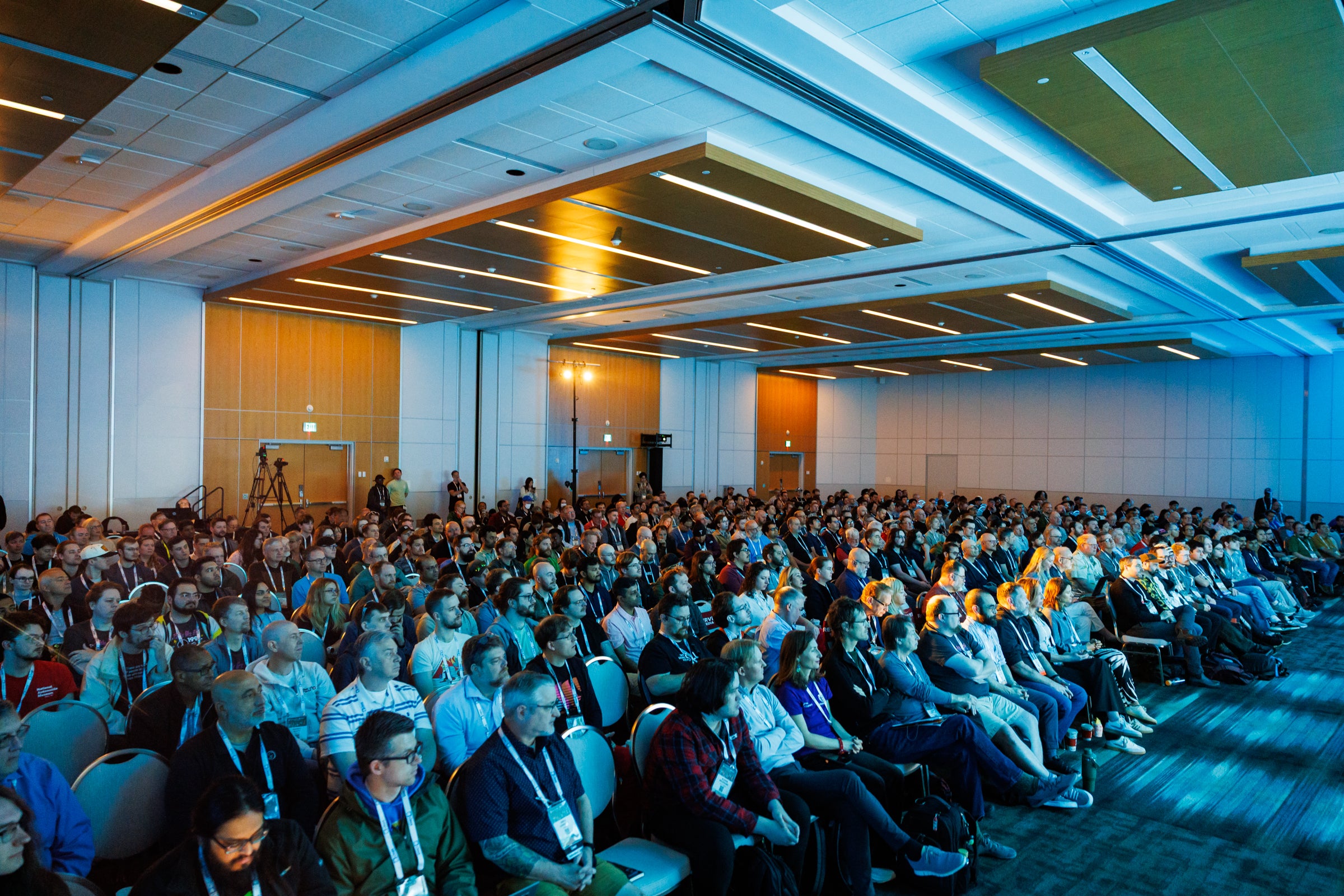
Open Source Summit is the premier event for open source developers and contributors. It is where maintainers, technologists, and community leaders come together to share knowledge, collaborate on solutions, and push open source projects forward. It is the home for code, community, and the people driving the future of open source.
It brings together people working across cloud infrastructure, Linux kernel development, AI/ML, embedded systems, DevOps, security, safety-critical systems, open source program offices, legal and compliance, standards, policy, and community leadership.
The ELISA Project is a Silver sponsor of Open Source Summit Europe 2026. The project will have a booth where attendees can meet ELISA community experts and talk with ELISA working group leads and Ambassadors. Visit the booth to learn more about the project’s work and how to get involved in the ELISA community.
Safety-Critical Software Track
The ELISA Project is part of the Safety-Critical Software track. This track explores the intersection of open source and safety standards, covering best practices for regulatory compliance, security updates, and safety engineering. Sessions will share insights into requirements traceability, quality assessments, safety analysis methodologies, and technical development for safety-critical systems.
Add these sessions to your schedule:
- Thursday October 8, 2026 13:50 – 14:30 CEST – Sponsored Session: Building Secure and Compliant Critical Infrastructure with Open Source – Benjamin Weber, Hitachi Energy
- Friday October 9, 2026 11:05 – 11:45 CEST – Functional Safety Certification in Upstream Xen for Automotive and Avionics – Ayan Kumar Halder, AMD
- Friday October 9, 2026 11:05 – 11:45 CEST – OpenGrid: An Open-Source Electric Grid Modeling Ecosystem – Alice Yake, Breakthrough Energy
- Friday October 9, 2026 11:55 – 12:35 CEST – A Safety BOM Is a Contract: Producing and Consuming the SPDX Functional Safety Profile – Tobias Kästner, inovex GmbH & Nicole Pappler, AlektoMetis
- Friday October 9, 2026 14:00 – 14:40 CEST – Let’s Perform a Hazard Assessment! – Chuck Wolber, The Boeing Company & Pete Brink, Underwriter Laboratories (UL)
- Friday October 9, 2026 14:50 – 15:30 CEST – Failure Propagation in Linux: Challenges for Safety Qualification – Alessandro Carminati, NVIDIA
- Friday October 9, 2026 15:40 – 16:20 CEST – Feasibility of an Open-Source Linux Platform for Autonomous Train Operation – Daniel Weingaertner & Sebastian Hetze, Red Hat
- Friday October 9, 2026 16:30 – 17:10 CEST – Safety Critical Software BoF – Philipp Ahmann, ETAS GmbH & Olivier Charrier, Wind River
ELISA Project at Linux Plumbers Conference 2026
Before Open Source Summit Europe, the ELISA Project will be part of the Safe Systems with Linux Microconference at Linux Plumbers Conference 2026, taking place October 5–7 at the Prague Congress Centre in Prague, Czechia.
As Linux continues to be used in systems with varying levels of criticality, the need for clear traceability between requirements, code, and tests is becoming increasingly important. The Safe Systems with Linux Microconference will focus on how the Linux kernel ecosystem can better support structured requirements, documentation, testing, and artifact sharing while preserving the speed and flexibility of upstream development.
Building on discussions from previous years, this year’s microconference will explore approaches for expressing requirements and traceability as sidecar data structures. This makes the information more machine-readable, maintainable, and scalable without requiring kernel design documentation to live directly in the code.
Topics will include technical debt reduction, requirements-driven testing, semantic aspects of kernel requirements, progress on the Linux Kernel Requirements Framework, practical implementation challenges, automation tooling, connections with kernel quality initiatives, industry adoption, and the role of requirements as an education and onboarding tool.
The session aims to bring together kernel maintainers, developers, safety architects, tooling experts, and industry stakeholders to discuss how structured requirements and traceability practices can complement existing Linux kernel development workflows and support the creation of dependable, safety-relevant systems with Linux. Learn more.
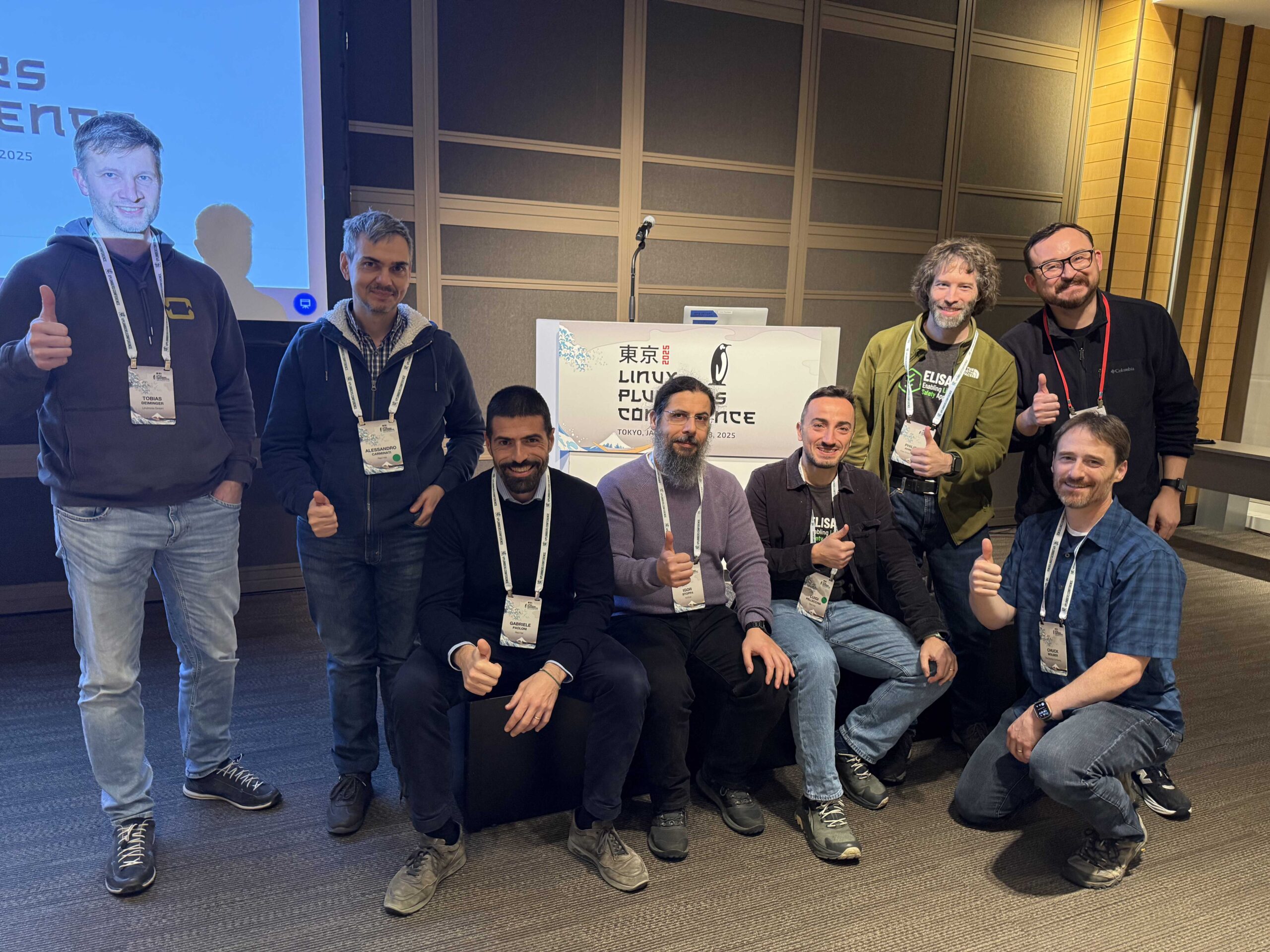
Meet the ELISA Community in Prague
If you are attending Open Source Summit Europe 2026, add the Safety-Critical Software sessions to your schedule and visit the ELISA Project booth. Meet community experts, working group leads, and ELISA Ambassadors, ask questions, and learn more about the project.
Learn more about Open Source Summit Europe 2026 and register here.