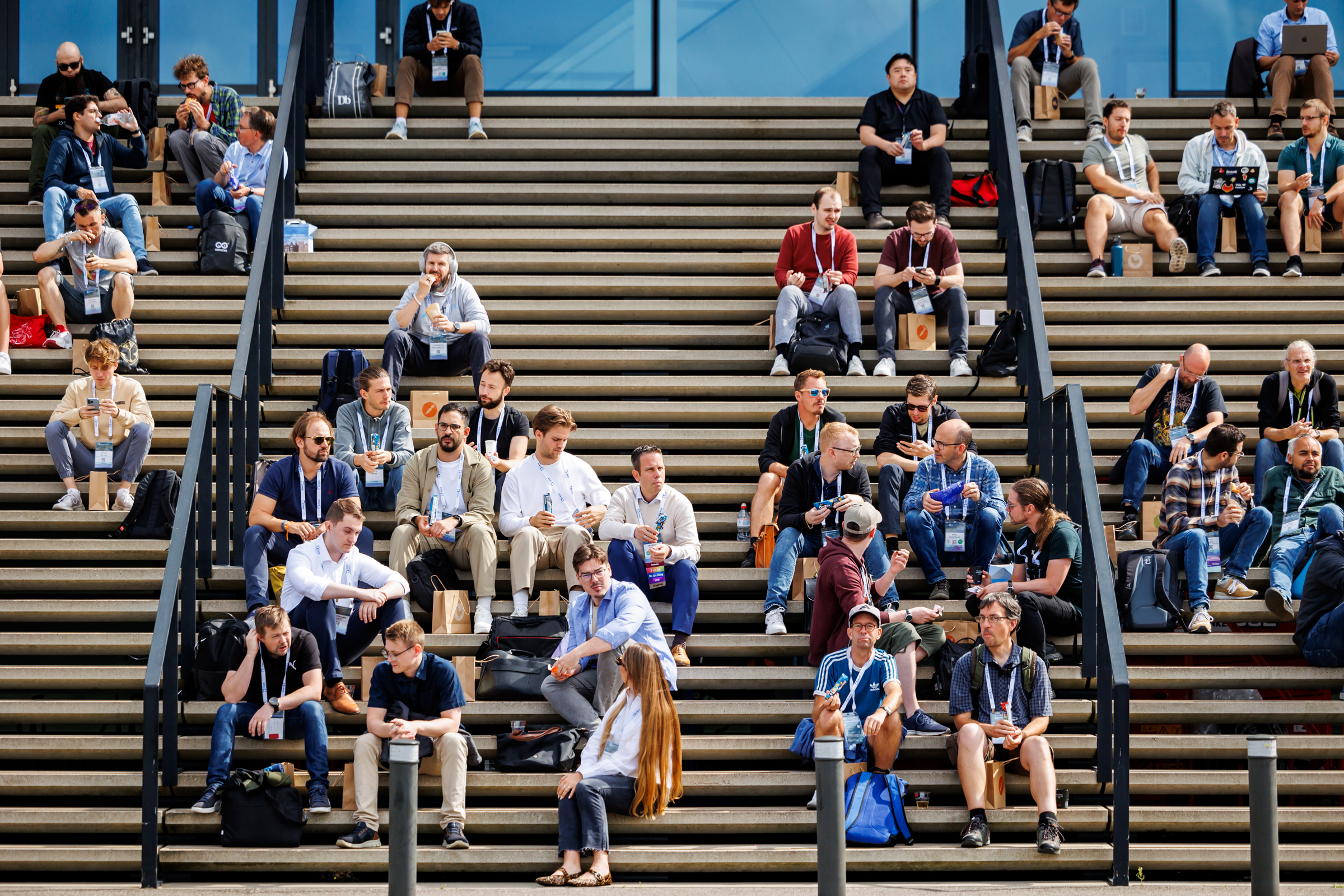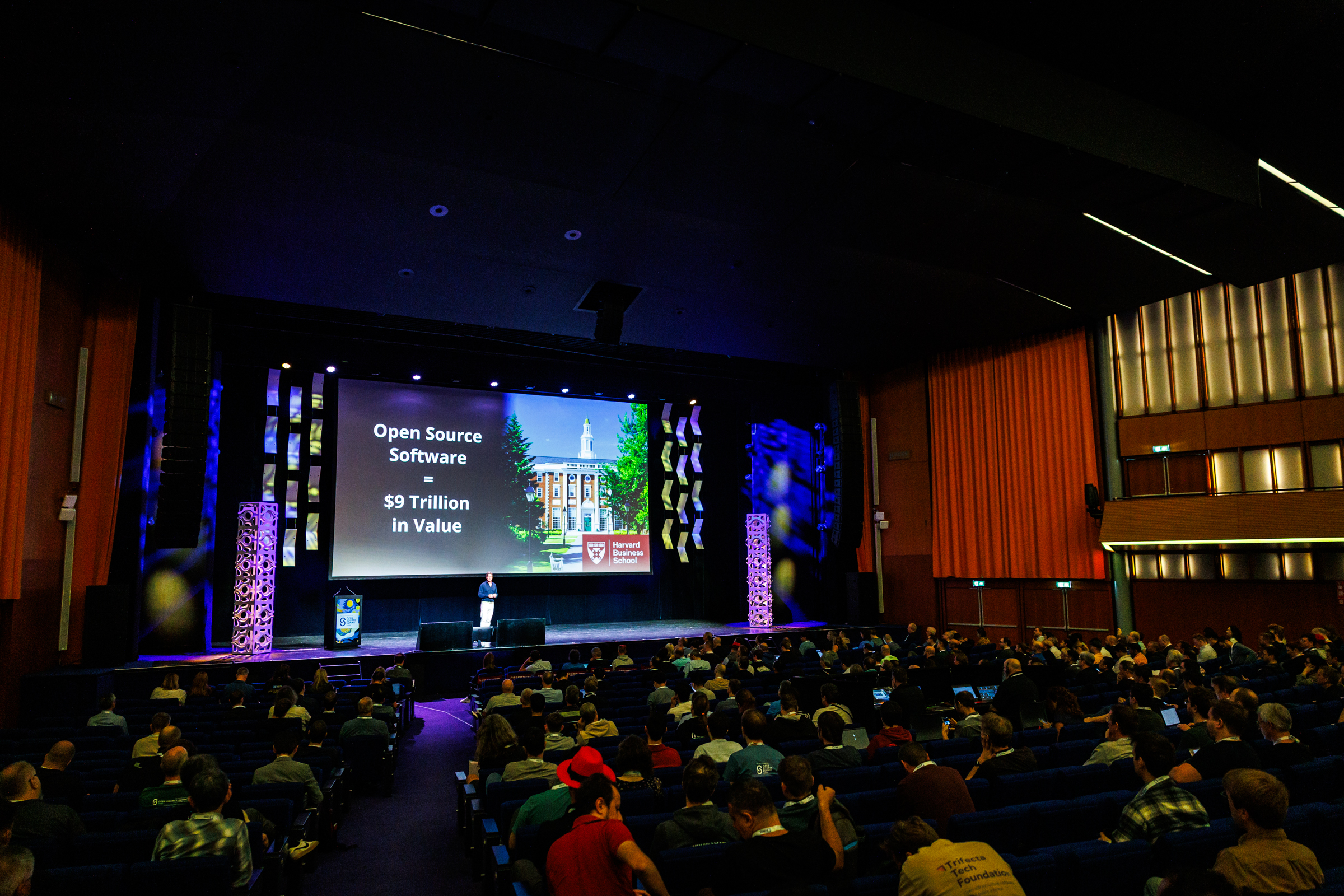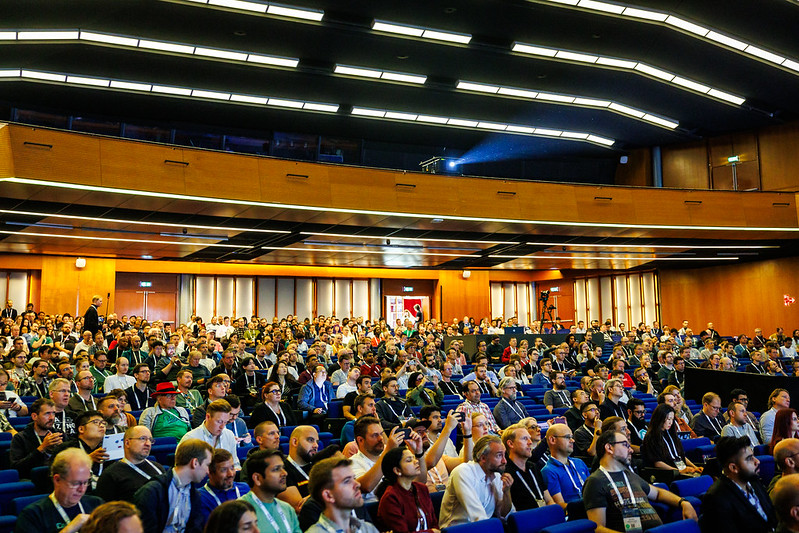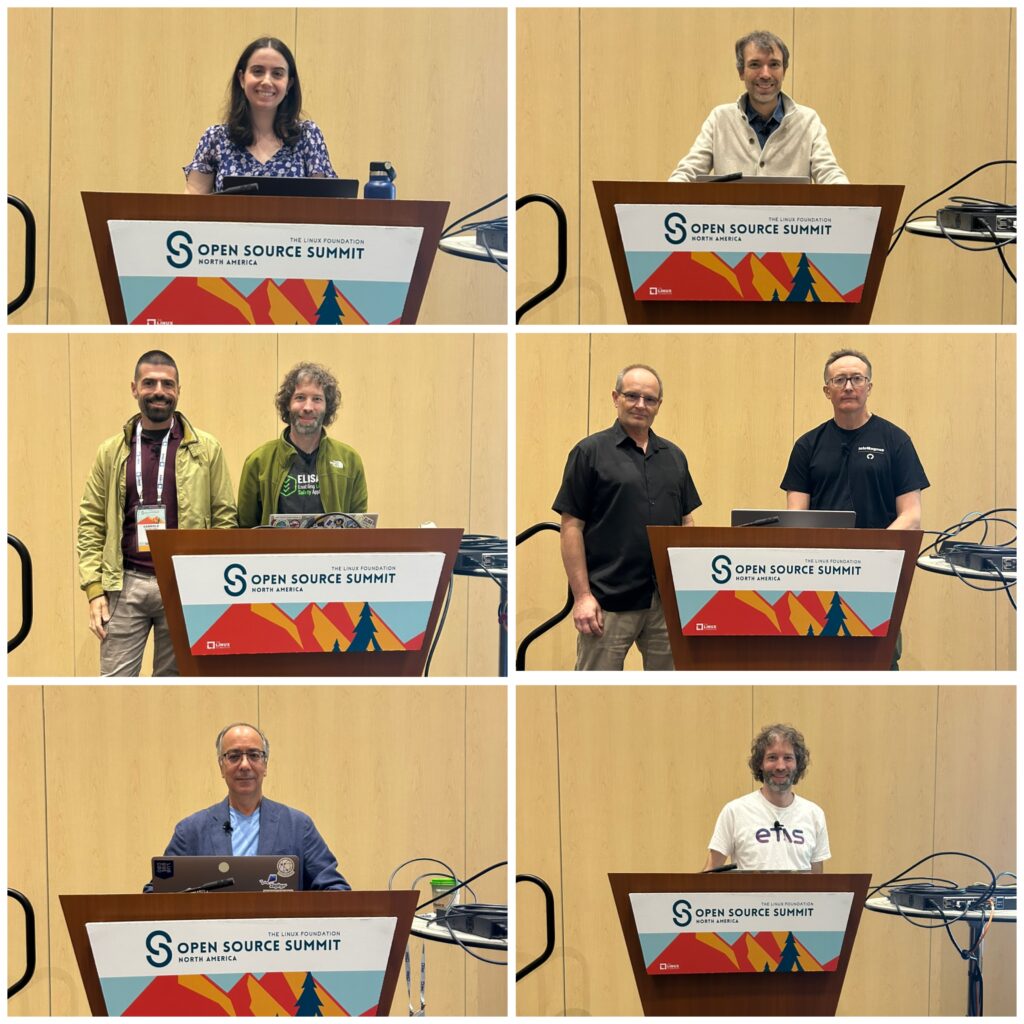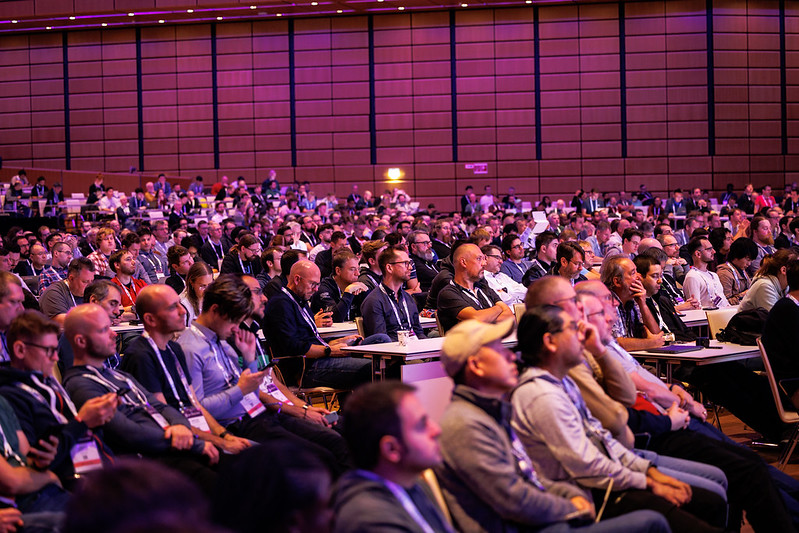
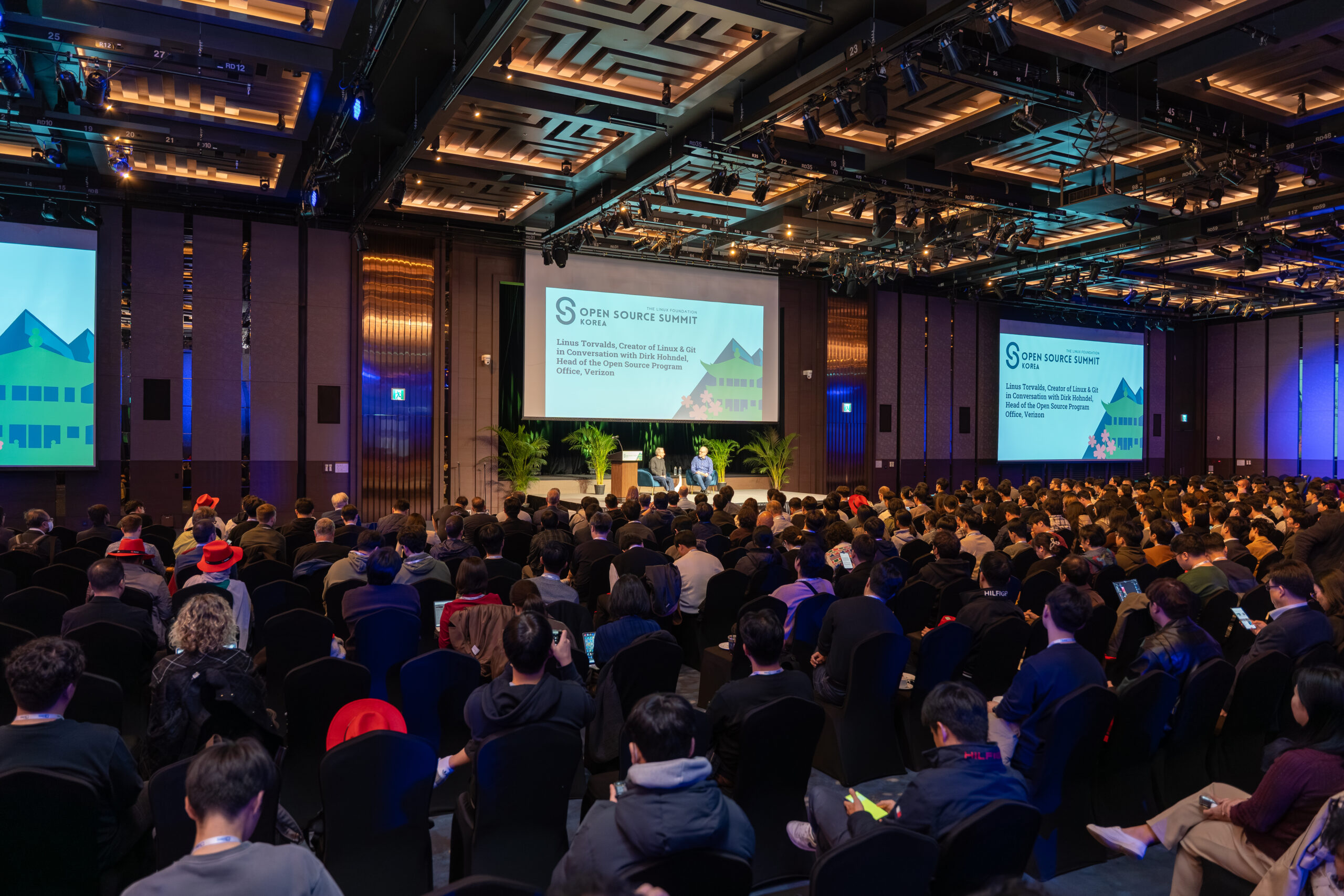
The Open Source Summit 2025, held on November 4–5 in Seoul, South Korea, brought together a global community of developers, engineers, policymakers, and open source leaders to advance collaboration across the ecosystem. As one of the most comprehensive gatherings in open source, the event created space for meaningful dialogue across technical and strategic domains.
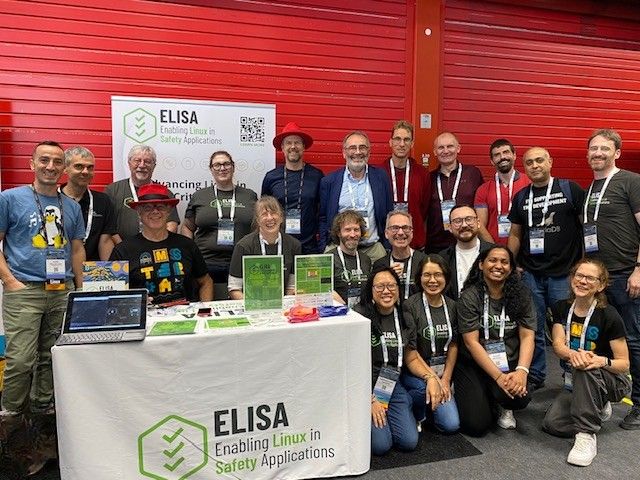
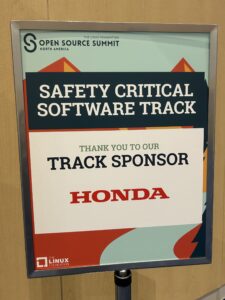
The ELISA Project participated as part of the Safety-Critical Software Track, contributing to discussions at the intersection of open source development and safety standards. This track highlighted the growing role of open source in regulated and safety-sensitive environments, where reliability, transparency, and compliance are essential.
Session Highlights:
Driving Safety Forward: Lessons Learned From Deploying OSS in Real-world Automotive – Jaylin Yu, EMQ
Driving Safety Forward: Lessons Learned From Deploying OSS in Real-world Automotive was presented by Jaylin Yu from EMQ and focused on practical experience deploying open source software in mass-production vehicles. The session examined how OSS can meet automotive safety and security expectations when combined with strong community engagement, academic collaboration, and production-driven validation.
Examples included MQTT-based remote diagnostics, actor-based system design, and the use of advanced stateful fuzzing techniques to uncover concurrency, race conditions, and protocol-level issues. Jaylin highlighted how software supply-chain decisions and dependency misuse can escalate into system-wide failures in safety-critical environments.
The talk also explored post-deployment challenges such as suspend-to-RAM behavior, file-descriptor exhaustion, time synchronization, and observability gaps in Linux-based systems. Overall, the session delivered, field-tested guidance for building secure, traceable, and reliable OSS-based software-defined vehicle platforms.
DO-330 Qualification of Enhanced LLVM Structural Coverage Tool – Minji Park & Seojin Kim, The Boeing Company
DO-330 Qualification of Enhanced LLVM Structural Coverage Tool was presented by Minji Park and Seojin Kim from The Boeing Company and focused on qualifying an open source structural coverage tool for use in safety-critical avionics software.
The session explained why structural coverage is mandatory under RTCA DO-178C and how verification tools themselves must be qualified under RTCA DO-330 to produce trusted evidence. The speakers described Boeing’s efforts to qualify an enhanced LLVM coverage (llvm-cov) tool, targeting statement, decision, and modified condition/decision coverage (MC/DC) required for higher software assurance levels. The session covered key details including how line and branch coverage were aligned with DO-178C objectives through source formatting, pipeline instrumentation, and toolchain integration.
The talk also outlined the determination of Tool Qualification Level (TQL 5), required qualification artifacts, and validation and verification activities needed to support certification. The session concluded with challenges of qualifying open source tools such as version changes, object code coverage, and regulatory submission and how Boeing is addressing them to enable compliant use of OSS in avionics systems.
Introduction and Consideration of Temporal Partitioning in Avionics With Open Source Eco-System – Haesun Kim & Gihwan Kwon, The Boeing Company
Introduction and Consideration of Temporal Partitioning in Avionics With an Open Source Ecosystem was presented by Haesun Kim and Gihwan Kwon from The Boeing Company and examined how ARINC 653 enables safe and deterministic operation in integrated modular avionics (IMA) systems.
The session introduced the motivation for adopting ARINC 653, comparing traditional federated avionics architectures with IMA approaches that rely on strict temporal and spatial partitioning. Key technical details covered the ARINC 653 two-tier scheduling model, including module-level scheduling across partitions and rate-monotonic process scheduling within each partition.
The speakers discussed gaps between ARINC 653 requirements and current open-source operating systems, highlighting challenges in scheduling, process management, and health monitoring. The talk concluded with Boeing’s ongoing collaboration with open-source communities and future work to bridge these gaps and enable compliant, safety-critical avionics systems built on open-source technologies
Smarter Code, Sneakier Risks: Supply Chain Security in the Age of AI – Lavakush Biyani, Harness
Smarter Code, Sneakier Risks: Supply Chain Security in the Age of AI was presented by Lavakush Biyani from Harness and examined how AI-powered coding tools are reshaping software development while introducing new supply chain security risks. The session explained how AI-generated code can unknowingly introduce vulnerabilities through insecure patterns, outdated libraries, or hallucinated dependencies that attackers can exploit.
The session covered real-world examples of dependency confusion, AI-suggested non-existent packages, and the reuse of vulnerable dependency versions due to limited model context. The speakers introduced practical detection techniques such as analyzing code changes, generating AI Bills of Materials (AIBOMs), tracking dependency drift, and monitoring build behavior.
The session concluded with guidance on integrating these security checks into CI/CD pipelines, enabling DevSecOps teams to manage AI-driven risks without slowing development velocity.
Detecting Double Free With BPF – Bojun Seo, LG Electronics
Detecting Double Free With BPF was presented by Bojun Seo from LG Electronics and addressed the challenges of detecting double free vulnerabilities in C and C++ programs, particularly in production and embedded environments.
The session explained why traditional tools such as Valgrind and AddressSanitizer often struggle in real-world systems due to high overhead and their tendency to alter memory behavior, leading to hard-to-reproduce Heisenbugs. The session also covered a novel detection approach using BPF and uprobes to trace memory allocation and deallocation events without modifying the target process’s memory footprint.
The tool tracks allocation counters and captures stack traces in BPF maps, reporting double frees with significantly lower runtime and memory overhead. Through live demonstrations and real code examples, the talk showed how this lightweight BPF-based approach improves reliability and practicality for detecting double free errors in performance-sensitive embedded systems.
Telco Supply Chain Security: Implementing ISO 18974 & SBOM – Haksung Jang, SK Telecom
Telco Supply Chain Security: Implementing ISO/IEC 18974 & SBOM was presented by Haksung Jang from SK Telecom and focused on managing growing software supply chain risks in the rapidly evolving telecom industry.
The talk explained how increased reliance on open source in 5G, cloud-native, and software-defined networks has amplified dependency complexity and reduced visibility, creating serious security challenges. Key technical details covered the adoption of ISO/IEC 18974 (Open Source Security Assurance) as a standardized framework for vulnerability management, governance, and third-party assurance across telecom supply chains.
The session highlighted SBOM implementation using standards such as SPDX and CycloneDX, emphasizing automated generation, validation, and integration into CI/CD pipelines to enable rapid vulnerability response and regulatory compliance. Drawing from SK Telecom’s real-world OSPO experience and OpenChain Telco Work Group activities, the talk provided practical guidance on policy design, supplier collaboration, and building a trusted, standards-based telecom software ecosystem.
Key Takeaways:
The ELISA Project’s presence at Open Source Summit Seoul 2025 showed how open source is now essential in safety-critical and regulated systems.
Across automotive, avionics, embedded, AI, and telecom sessions, speakers demonstrated that open source can meet strict safety and security requirements when supported by strong processes and standards. Talks highlighted the importance of verification, deterministic system design, and low-overhead runtime analysis for real-world deployments. Supply chain security emerged as a shared priority, with SBOMs, AIBOMs, and international standards enabling visibility and trust.
Overall, the sessions reinforced that safety, security, and open collaboration must advance together.
What’s Next?
If you are interested in shaping this work, we invite you to join ELISA working groups and contribute to advancing safety practices in open source together.