
The Space Grade Linux (SGL) team participated in ROSCon 2025, held in Singapore from October 27-29, to engage directly with the global robotics community and strengthen collaboration across open-source robotics and space technology. The event brought together more than 1,000 attendees from research institutions, industry, and open source projects, representing one of the most diverse and active developer ecosystems in robotics today.
ROSCon serves as the primary annual conference for the Robot Operating System (ROS) ecosystem. ROS is an open-source middleware framework that powers a wide range of robotics platforms, from industrial manipulators and autonomous vehicles to aerial and space systems. It is hosted by the Open Source Robotics Alliance (OSRA), an independent non-profit organization that supports the growth, governance, and long-term sustainability of the ROS ecosystem. ROSCon provides a space for developers, researchers, and organizations to collaborate, share experiences, and learn about the latest advances in robotics software.
The Space Grade Linux (SGL) initiative, launched in December 2024, is hosted under the Enabling Linux in Safety Applications (ELISA) project, an open collaboration within the Linux Foundation. ELISA’s mission is to help industries build Linux-based systems for use in safety-critical domains such as automotive, medical, industrial, aerospace, and now space. By providing a forum for companies and research groups to define safety frameworks, develop tooling, and share best practices, ELISA enables projects like Space Grade Linux to leverage the strengths of open-source development while meeting the rigorous requirements of mission-critical environments. Through this collaboration, the SGL community benefits from ELISA’s established processes for safety analysis, continuous integration testing, and compliance documentation, creating a strong foundation for future space-ready Linux systems.
Space Grade Linux brings together experts from aerospace, robotics, and embedded Linux to create an open, safety-focused operating system platform for space applications. The project aims to make Linux reliable and predictable in environments where failure is not an option, while remaining fully open and collaborative. The initiative serves as a bridge between the robotics and space communities, where shared principles such as real-time performance, autonomy, and open collaboration are essential.
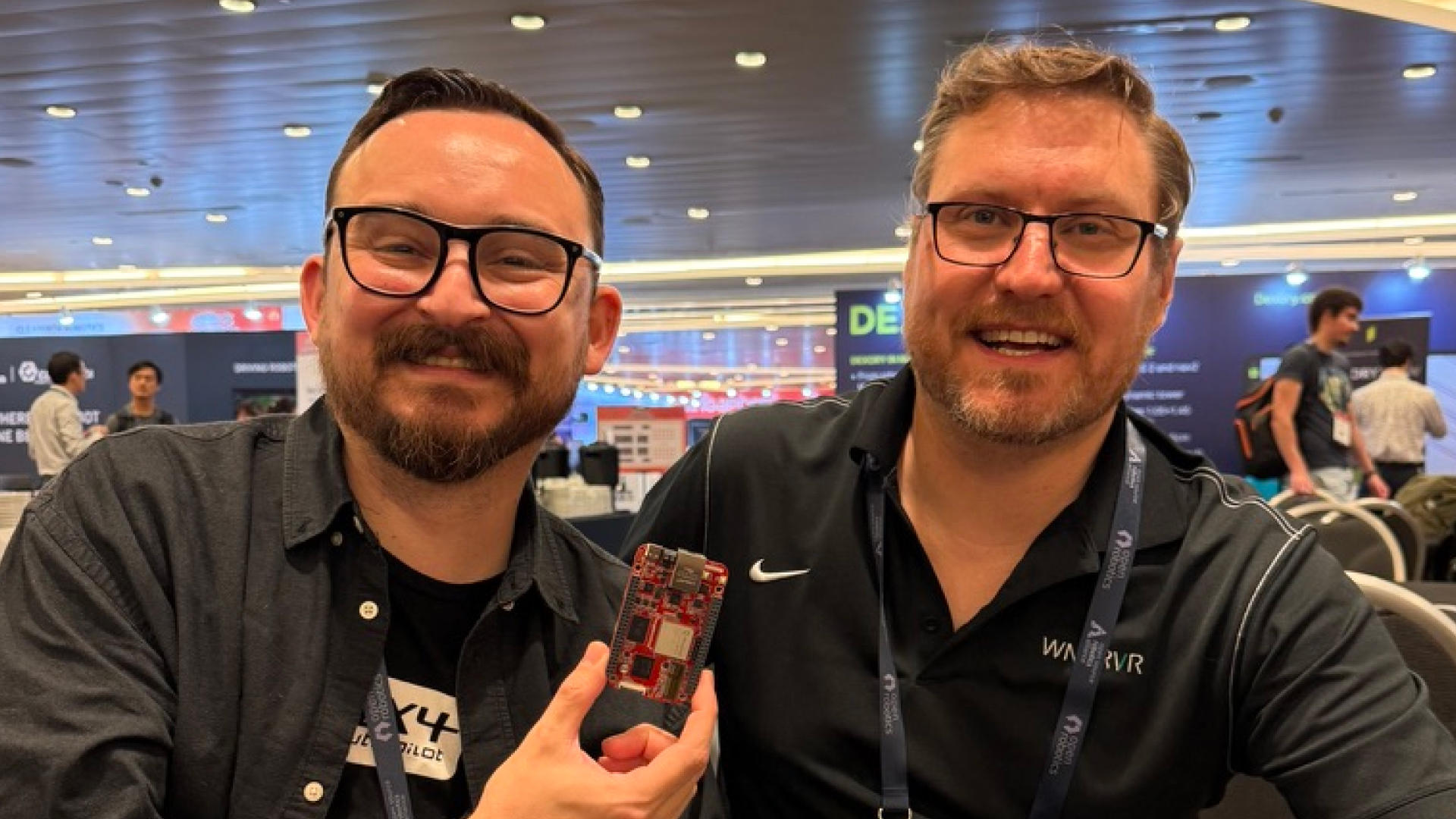
This year’s conference featured the first live hardware demonstration of a Microchip-based implementation of Space Grade Linux running Space ROS, presented by Rob Woolley (Wind River). The demo highlighted how the same open technologies that enable robust automotive and industrial systems are now being adapted for the extreme reliability and determinism required in space applications.
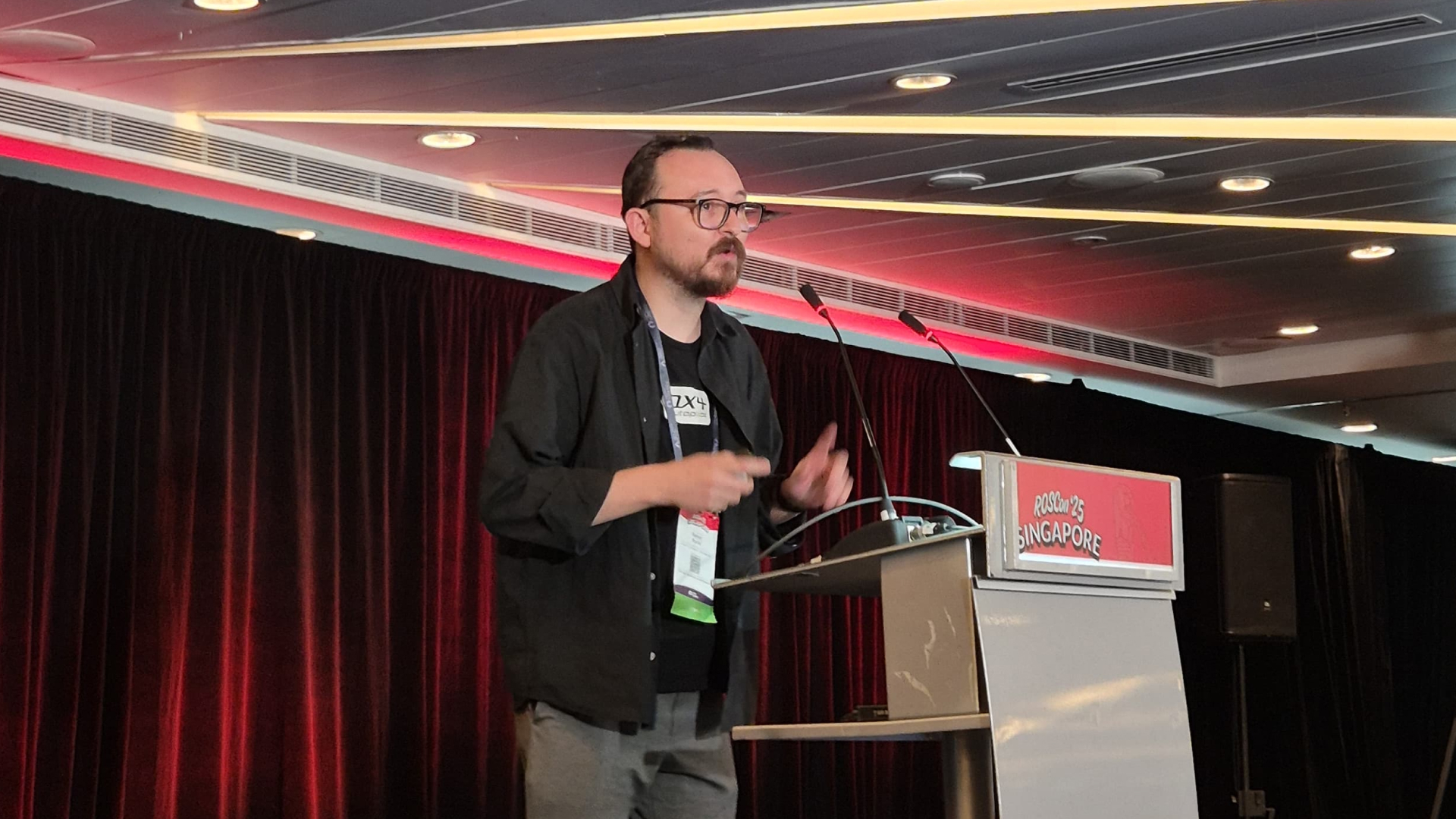
Ramón Roche, SGL group lead, delivered a Lightning Talk inviting developers working in space and robotics to join the SGL community’s monthly meetings. He emphasized the importance of collaboration across domains, encouraging experts from aerospace, automotive, and embedded Linux to work together toward a unified ecosystem for open and certifiable space software.
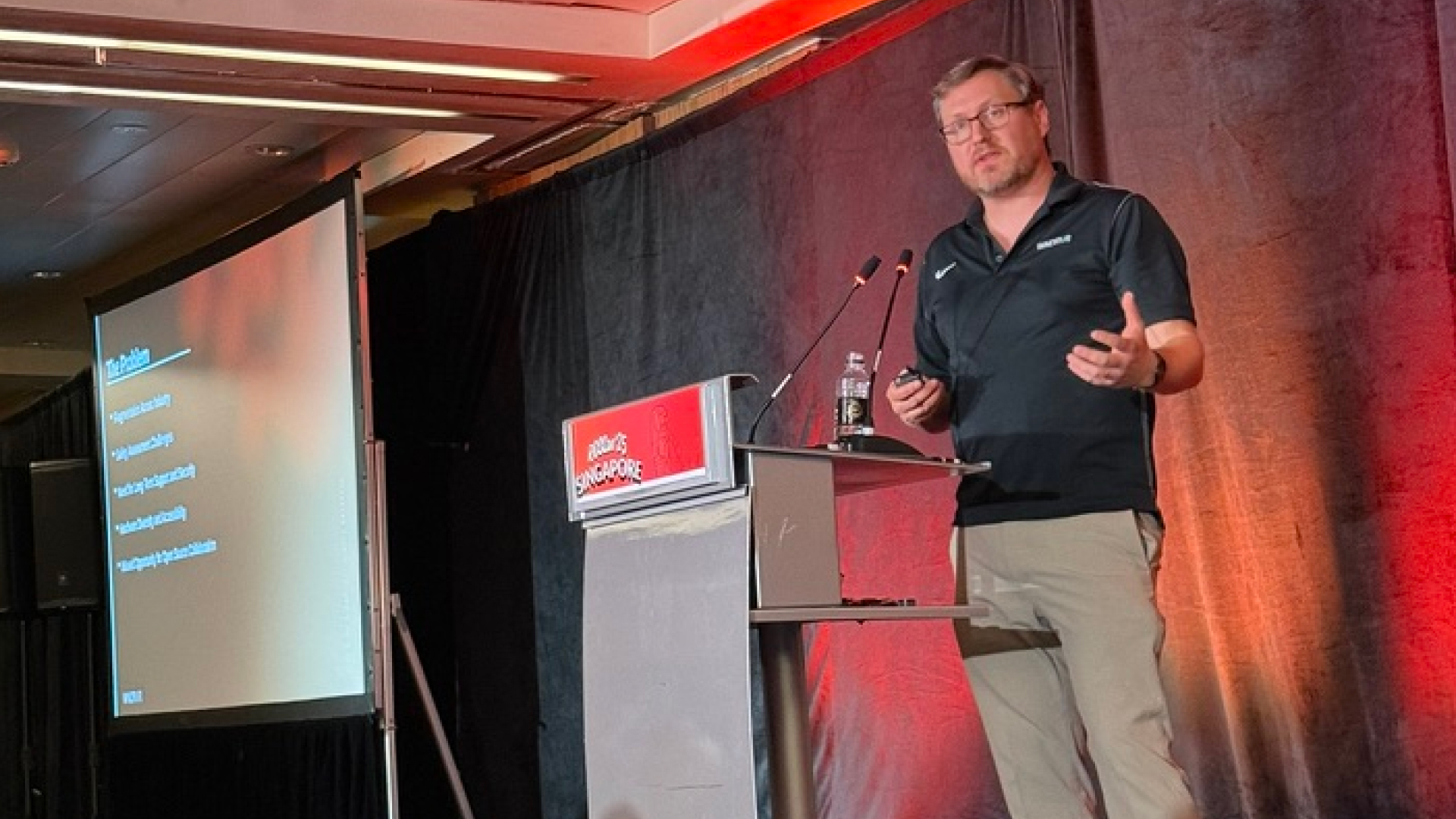
In his technical session, Rob Woolley gave an in-depth presentation on OpenEmbedded and its role as the build foundation for both Automotive Grade Linux and Space Grade Linux. His talk outlined the ongoing integration work between Space ROS and SGL, and discussed plans to establish Space Grade Linux as a standalone foundation project under the Linux Foundation umbrella.
The event provided valuable opportunities for in-person discussions between developers, researchers, and maintainers working at the intersection of ROS, Linux, and aerospace systems. The SGL team will continue collaborating with the ROS and Space ROS communities to advance open standards, reliability, and interoperability in mission-critical robotics.